Have you ever experienced:
⚡ Pins and needles
⚡ Tingling
⚡ Numbness in your leg or foot
...only for it to disappear later?
Many people wonder:
👉 "If it's a nerve problem, why doesn't it happen all the time?"
The answer is that nerve symptoms often change based on pressure, inflammation, posture, and movement.
Nerves act like communication highways.
They send signals between:
When a nerve becomes irritated:
👉 Signals don't travel normally.
That can create:
Certain positions may:
That's why symptoms may worsen:
And improve:
Inflammation around a nerve isn't always constant.
Some days:
👉 Irritation is higher
Other days:
👉 It settles down
This creates the classic "good day / bad day" pattern.
Movement can:
That's why many people say:
👉 "Once I get moving, it feels better."
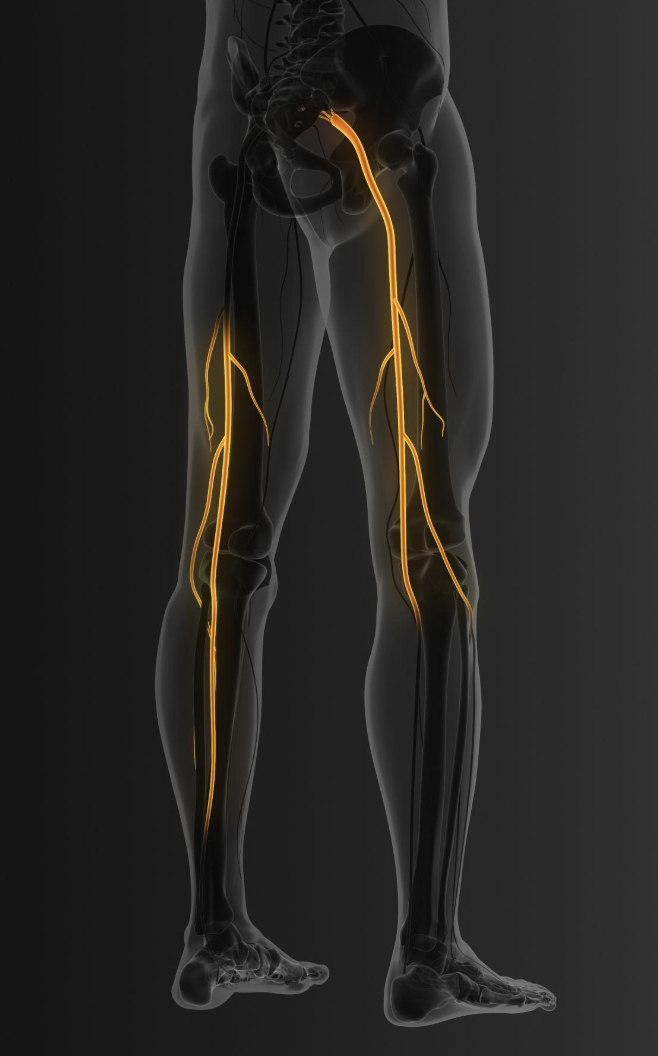
Sciatic nerve irritation often causes:
The location can change depending on how irritated the nerve is.
Occasional tingling isn't always serious.
But if symptoms:
🚩 Become more frequent
🚩 Last longer
🚩 Include weakness
🚩 Affect balance or walking
…it may be time to understand what's causing the nerve irritation.
Numbness and tingling are often warning signs that:
👉 A nerve isn't functioning normally.
Understanding why can help prevent symptoms from progressing.
Numbness and tingling often come and go because pressure, inflammation, posture, and nerve irritation constantly change throughout the day.
Understanding those patterns is the first step toward identifying the source.
At Buffalo Arthritis & Joint Pain Center, we help patients explore non-surgical options designed to improve mobility and reduce nerve-related symptoms.
👉 Just because symptoms come and go doesn't mean they should be ignored.