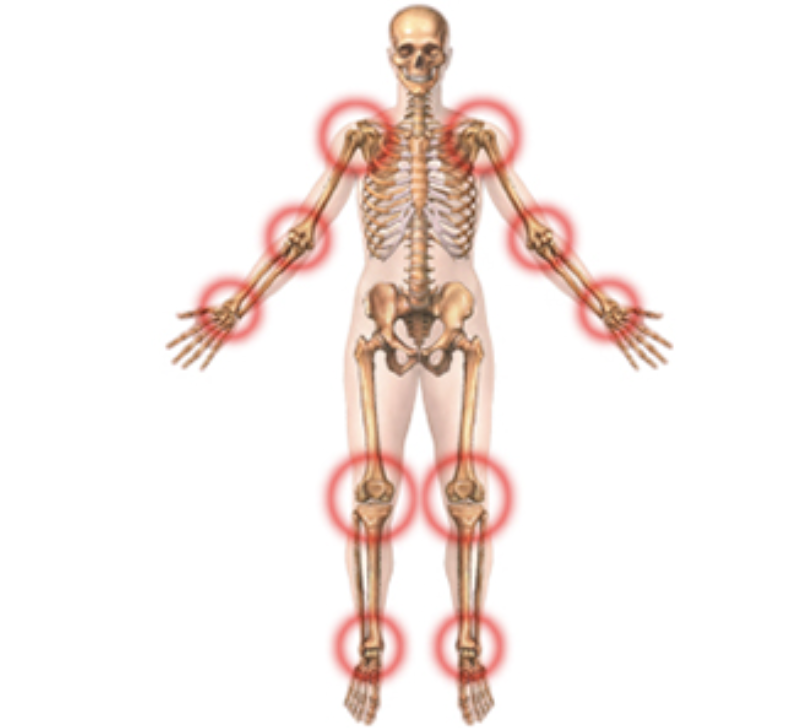
Many people notice something confusing about joint pain.
First it’s the knee.
Then the hip.
Later the shoulder or back.
And the question becomes:
“Why does my pain keep moving?”
It can feel random or even scary but there’s usually a logical explanation.
When one joint hurts, your body naturally protects it.
You:
Over time, those compensations overload other joints, causing new pain elsewhere.
So the pain didn’t “teleport” it spread through altered movement.
Chronic inflammation doesn’t always stay in one place.
Inflammatory processes can:
That’s why some people feel:
The root issue is often joint environment, not just one structure.
Chronic pain changes how the nervous system processes signals.
Over time:
This can make pain feel:
Many people get multiple scans and hear:
That sounds alarming but it doesn’t mean everything is “failing.”
It usually means:
Your joints are aging and your movement patterns and inflammation levels are driving symptoms.
Patients often say:
“Once my knee got better, my hip started hurting.”
“When my back calmed down, my shoulder flared up.”
That’s not coincidence.
It’s the body constantly rebalancing stress.
Instead of asking:
“What new thing is wrong now?”
A better question is:
“What pattern is stressing multiple joints?”
Because long-term improvement usually comes from:
Joint pain that “moves around” doesn’t mean your body is falling apart.
It usually means:
Treating one joint at a time often leads to temporary relief.
Improving how the body handles stress leads to lasting change.
At Buffalo Arthritis & Joint Pain Center, we help patients understand why pain shifts and how to address joint health more globally instead of chasing symptoms.
👉 Pain that moves is a pattern not a mystery.