When the snow starts piling up, many people notice the same thing:
Their joints hurt more.
Knees feel stiffer.
Hips ache when walking on uneven ground.
Back and shoulders tighten up after shoveling or slipping slightly.
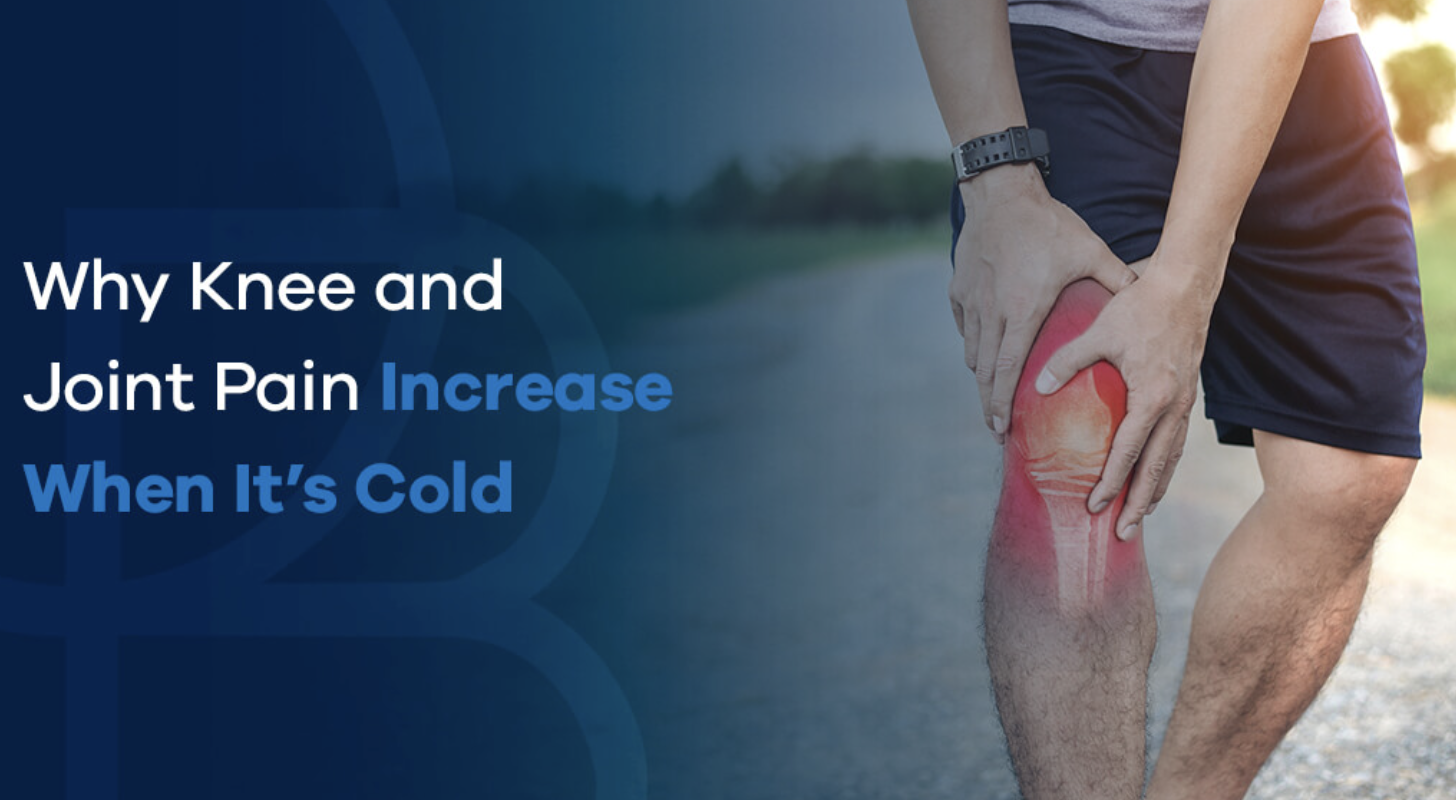
This isn’t just coincidence, winter weather genuinely affects how your joints feel and function.
Cold causes blood vessels to constrict, which means:
That’s why joints often feel tight first thing in the morning during winter.
As snowstorms move in, barometric pressure drops.
For people with joint damage or arthritis, this pressure change can:
Many patients can feel a storm coming before it arrives.
Snow and ice force your body to compensate:
This altered movement pattern puts extra stress on:
Even without a fall, joints can flare up quickly.
Shoveling combines:
For joints that are already irritated, this can trigger days or weeks of pain.
✔ Warm up before going outside even 3–5 minutes helps
✔ Take shorter steps on snow and ice
✔ Avoid sudden twisting while shoveling
✔ Use ice melt and proper footwear to reduce joint strain
✔ Stop before pain turns into a flare-up
Pushing through pain in winter often leads to longer recovery times.
For some people, winter doesn’t just cause temporary stiffness, it exposes underlying joint issues that were already there.
If snow and cold consistently trigger:
It may be a sign that the joint is struggling to handle normal stress.
Snow doesn’t cause joint damage, but it often reveals it.
If winter weather repeatedly limits your movement or keeps you indoors due to pain, it may be time to address joint health more proactively instead of waiting for warmer months.
At Buffalo Arthritis & Joint Pain Center, we help patients stay active year-round with non-surgical treatments designed to reduce pain and improve joint function even during harsh winters.
👉 You shouldn’t have to hibernate every time it snows.