Every winter, we see a spike in patients with new or worsened pain after snowstorms.
Snow shoveling combines three things joints hate most:
For adults over 50, this can quickly overload joints that already have some inflammation or wear.
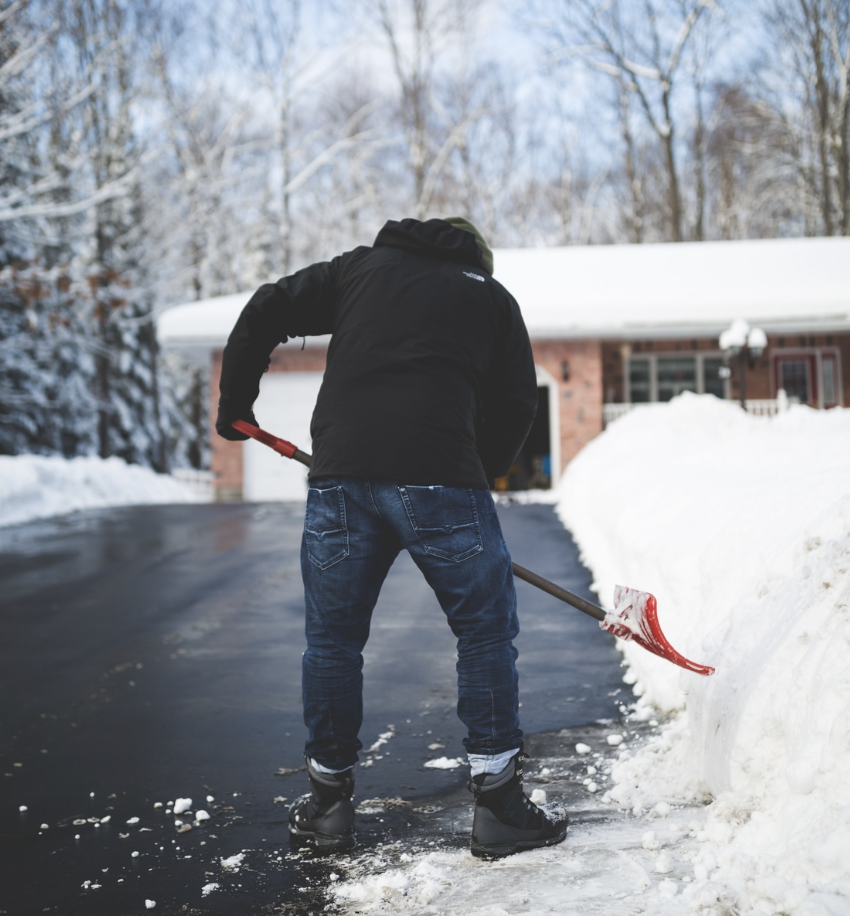
Shoveling involves repeated bending and twisting, often while lifting heavy, wet snow.
This can cause:
Many people feel “fine” at first, then wake up very stiff or sore.
Knees take the brunt of lifting and stabilizing on slippery surfaces.
Snow shoveling often triggers:
Uneven footing makes it even worse.
Repeated lifting and throwing snow stresses the shoulder joint.
Common shoulder issues include:
Cold muscles are more likely to strain.
Wide stances and twisting motions overload hips, especially in icy conditions.
After shoveling, adrenaline masks symptoms.
Inflammation builds after activity which is why pain often appears later that night or the next day.
This delayed pain is one of the biggest reasons people ignore injuries too long.
You should get checked if you notice:
These are signs of inflammation or joint irritation, not just muscle fatigue.
They may calm symptoms temporarily, but they don’t address:
Without proper care, snow-related injuries often become chronic winter pain.
Our non-surgical treatments help:
Patients often report faster recovery and fewer winter flare-ups.
✔ Warm up before shoveling
✔ Push snow when possible, don’t lift
✔ Keep loads small
✔ Avoid twisting
✔ Take breaks
✔ Wear supportive footwear
✔ Stop if pain starts
Your joints will thank you.
If snow shoveling caused back, knee, hip, or shoulder pain, early care makes all the difference.